Turbine Machining Optimization
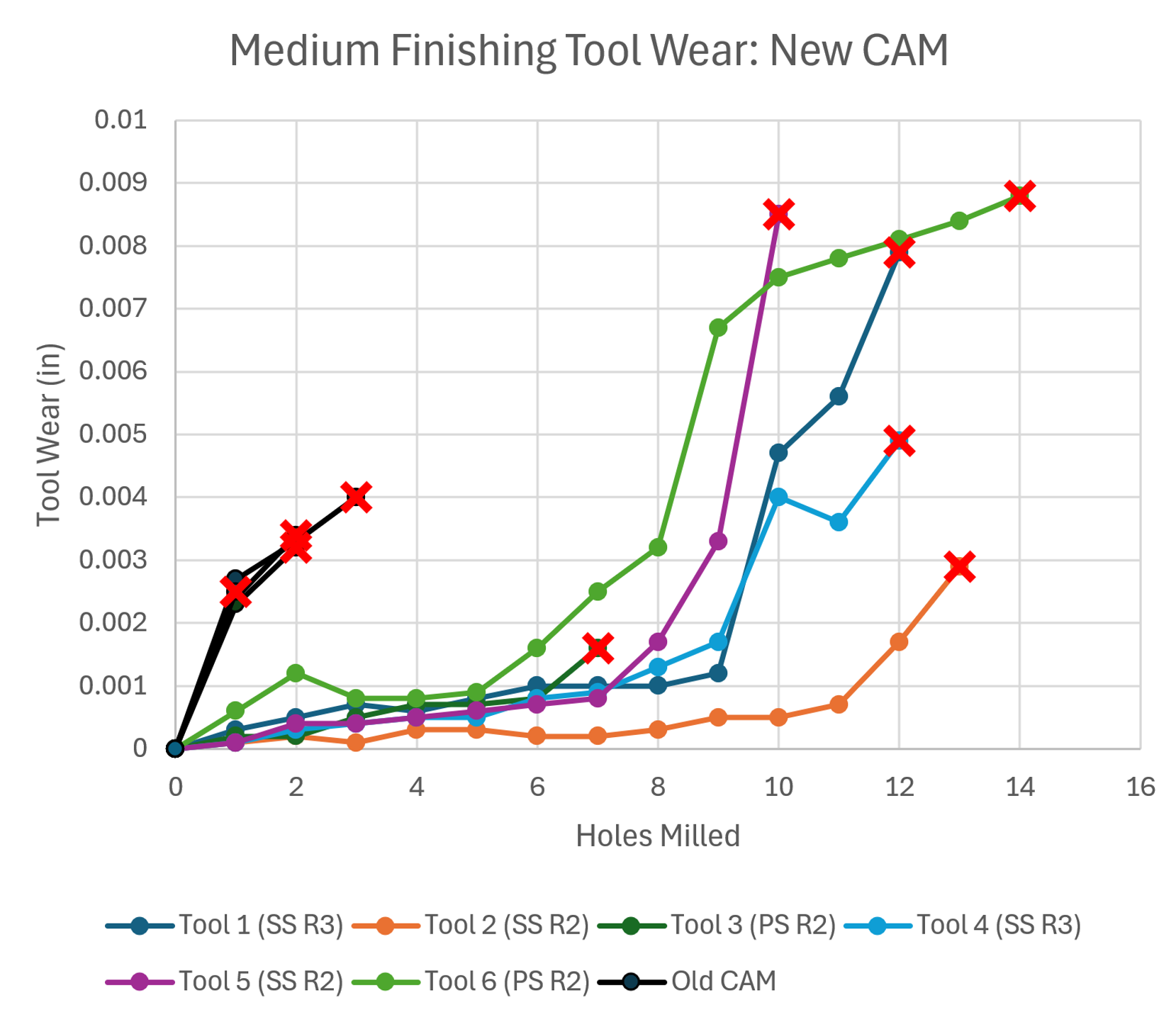
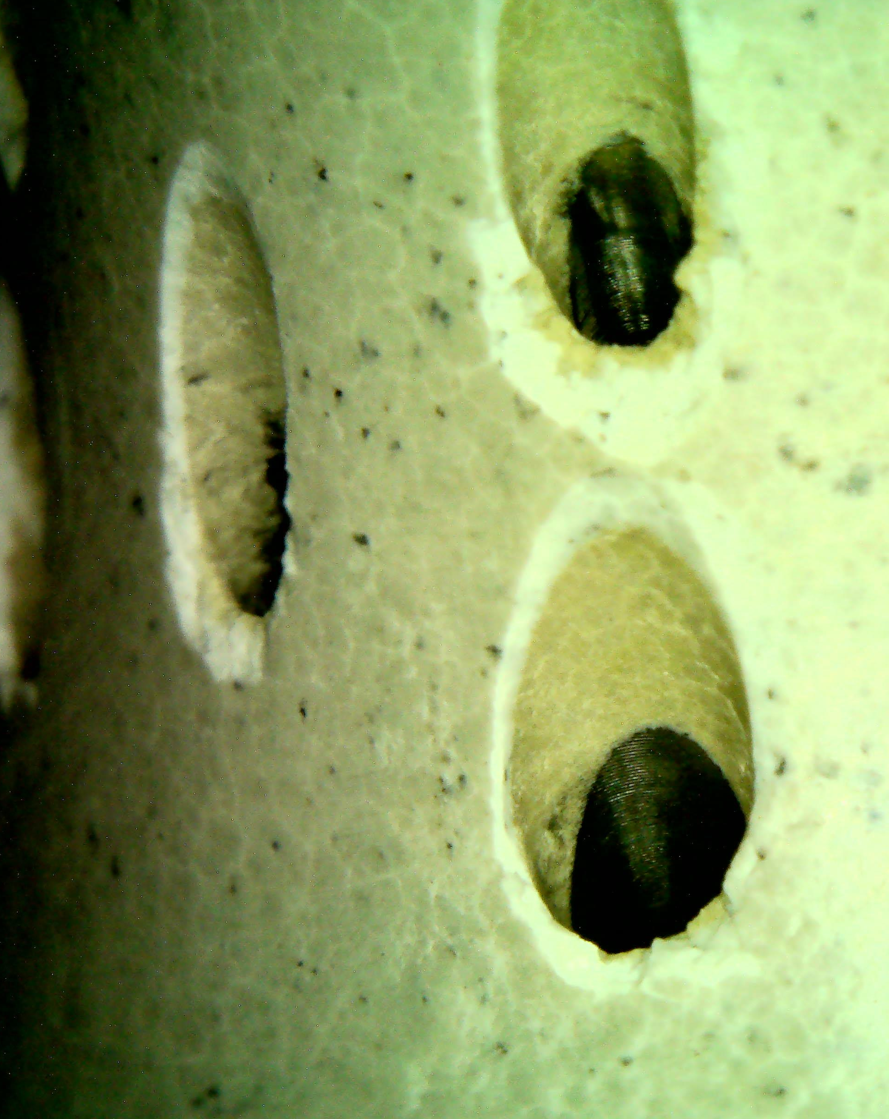
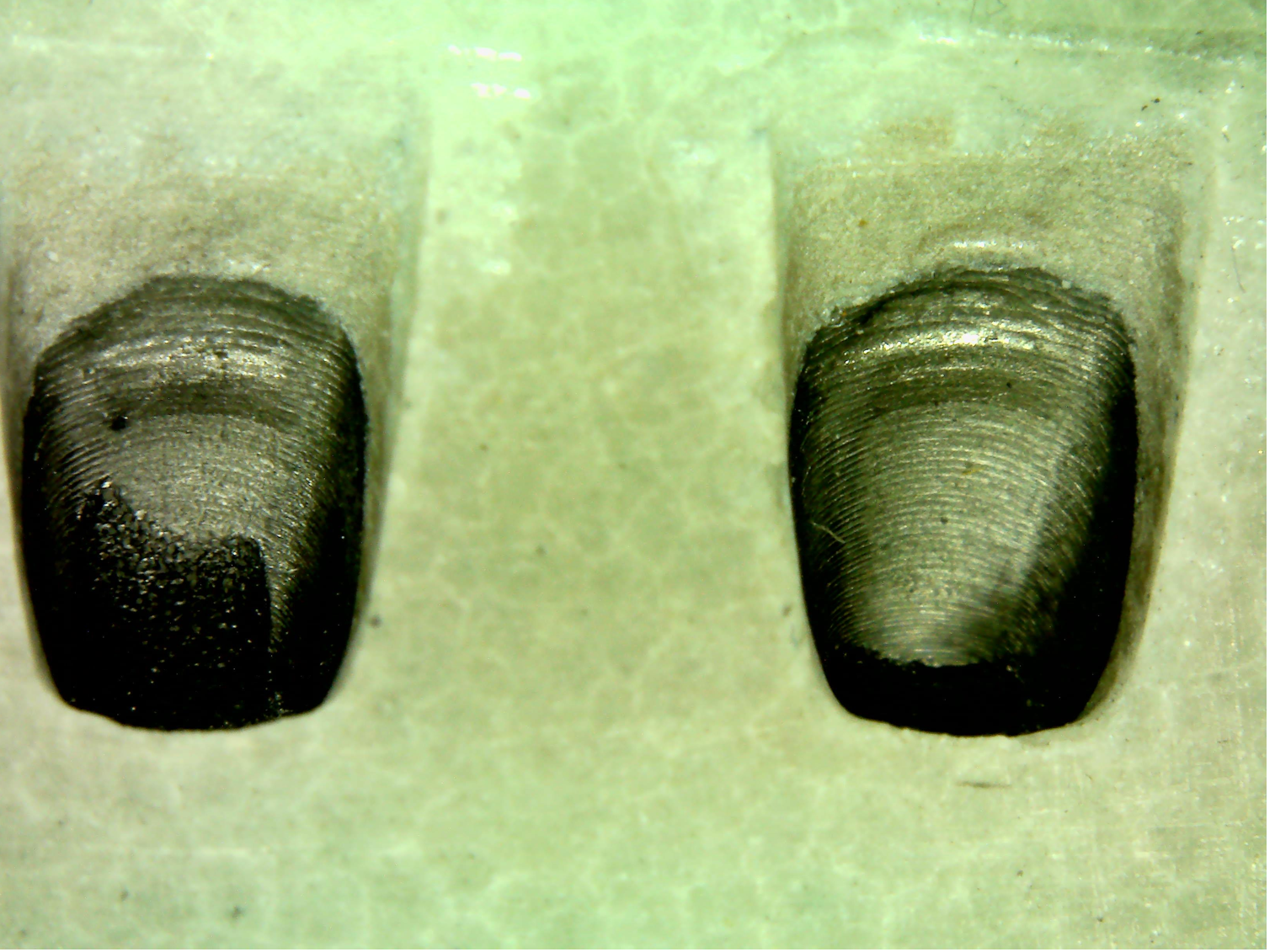
Completed MIT master’s thesis on "Characterizing and Mitigating Small-Diameter Tool Wear in Nickel-Based Superalloy Machining," resulting in an estimated $2.5M/year savings in consumable costs.
Project Overview
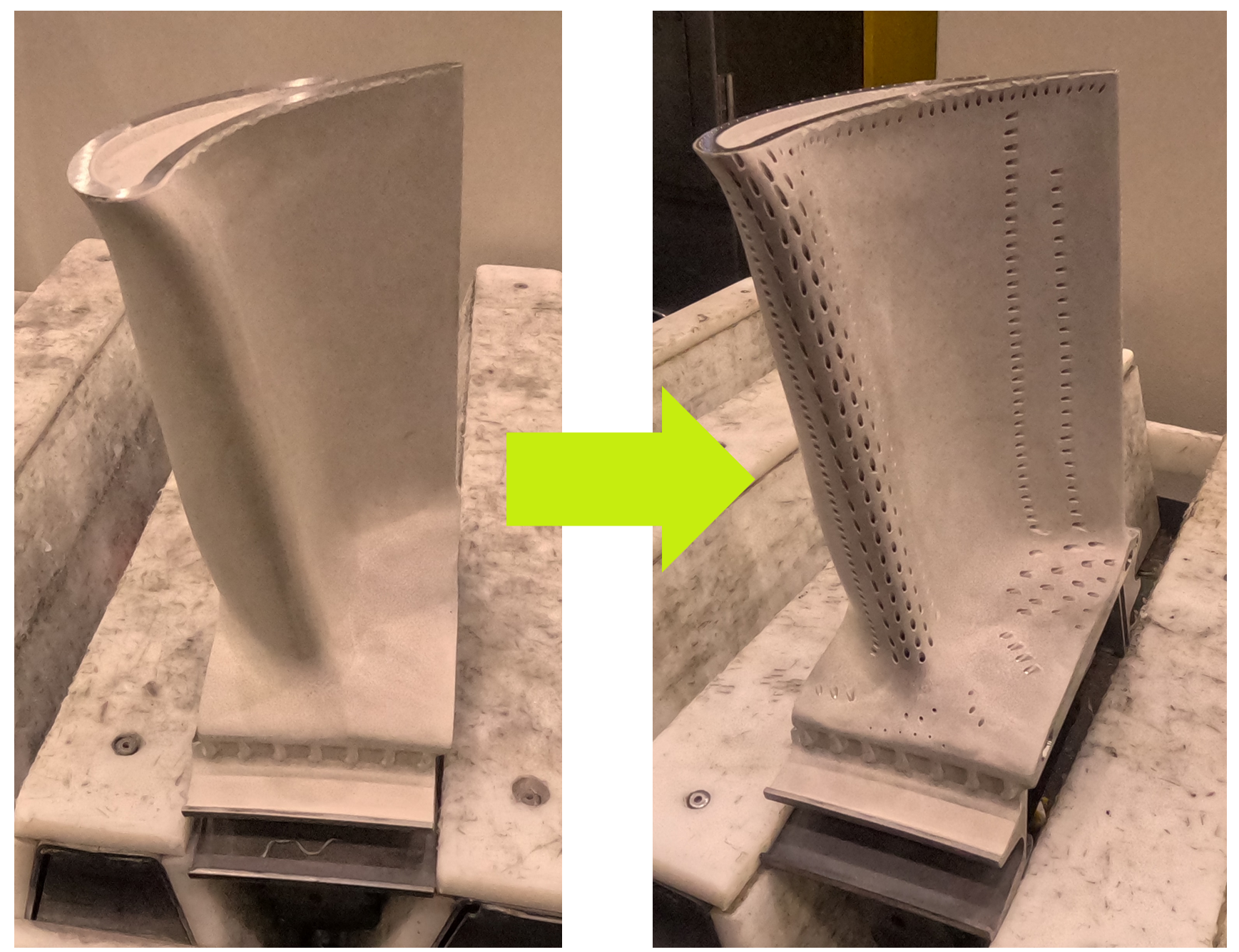
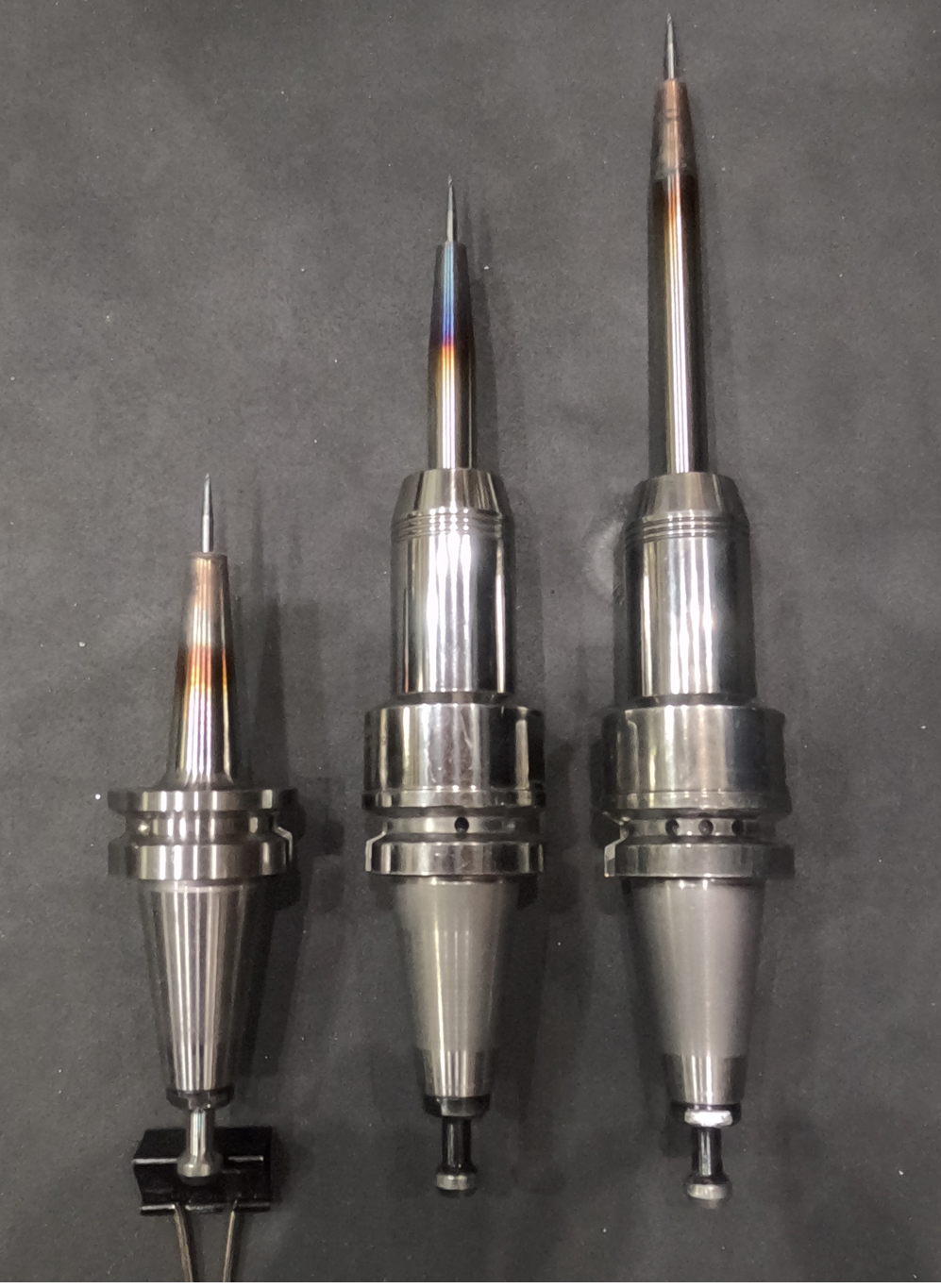
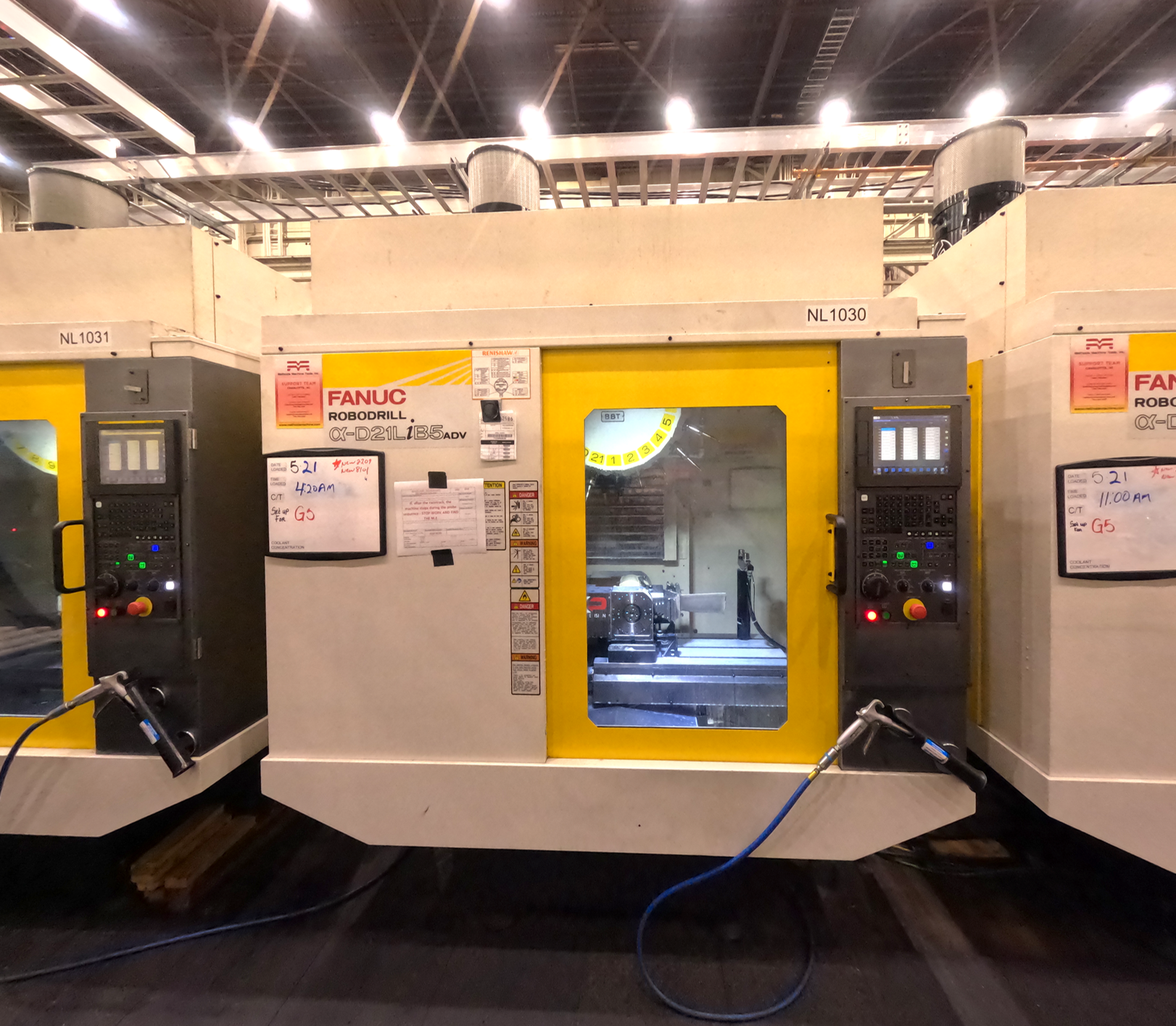
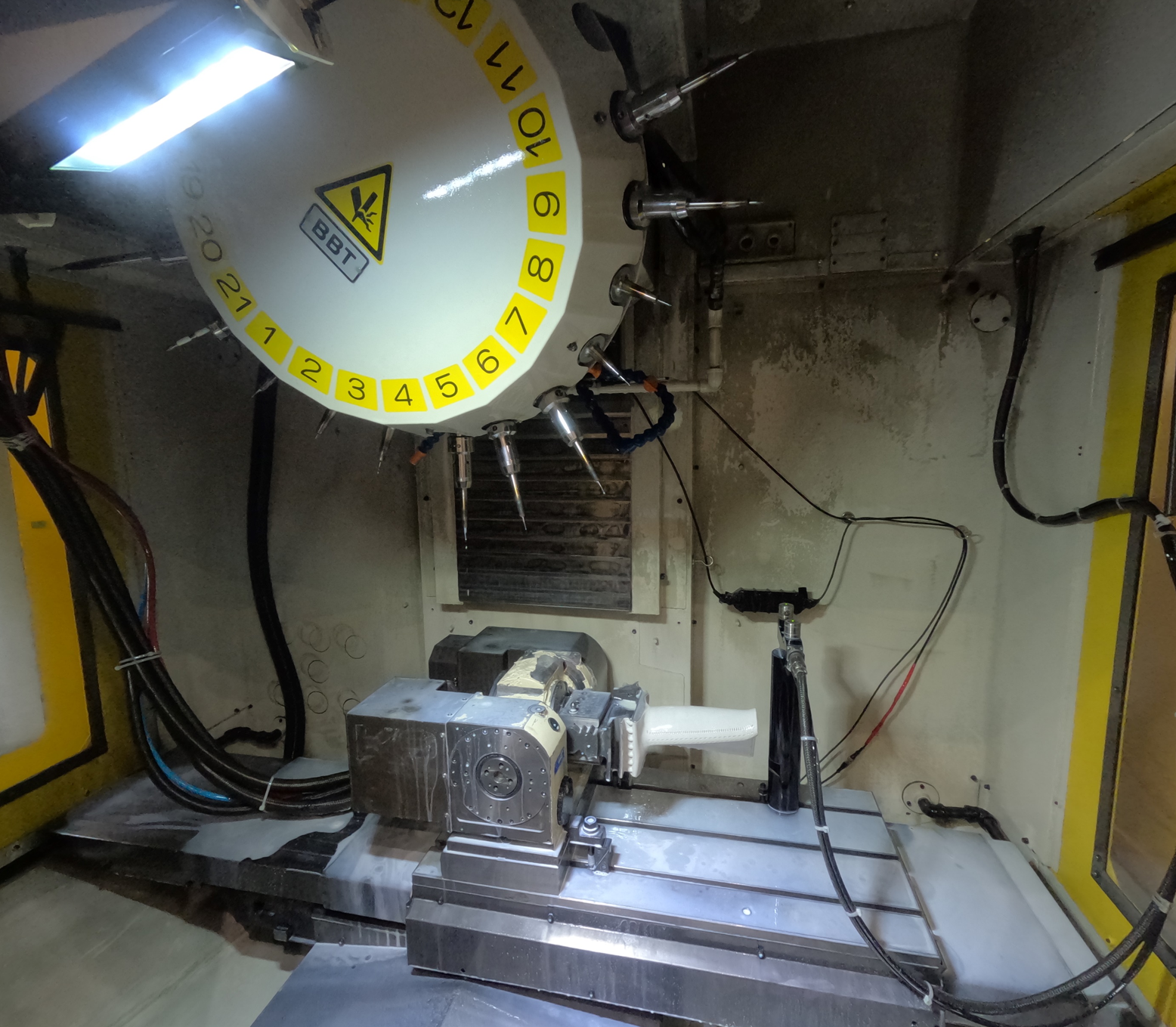
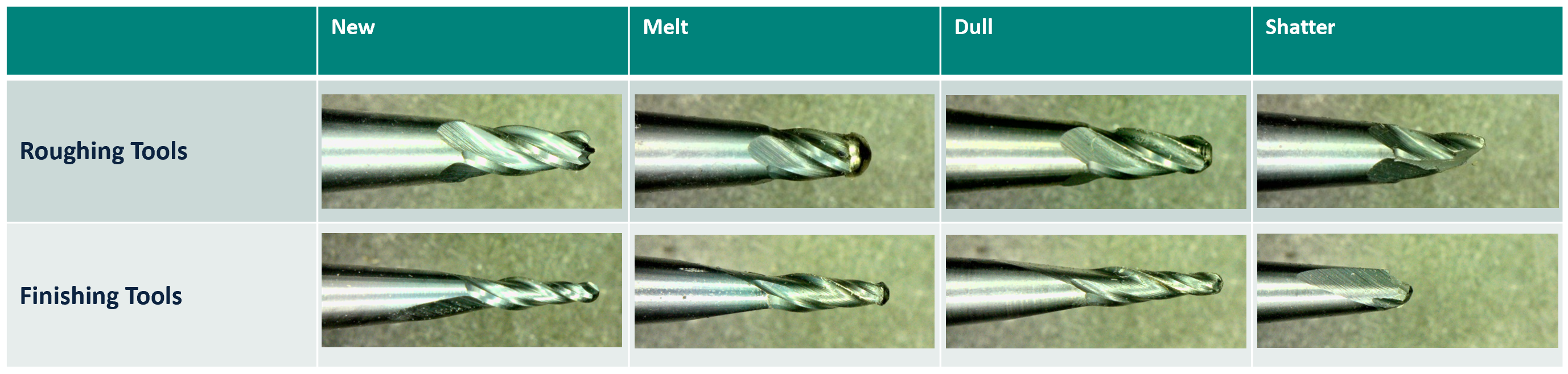
This thesis, completed as part of the Master of Engineering in Advanced Manufacturing and Design (AMDP) program at MIT, focuses on improving the reliability of small-diameter end mills used in machining nickel-based superalloy turbine blades. Conducted in collaboration with GE Vernova, the project applies data-driven methods to understand and mitigate tool breakage during production.
Approach & Solution
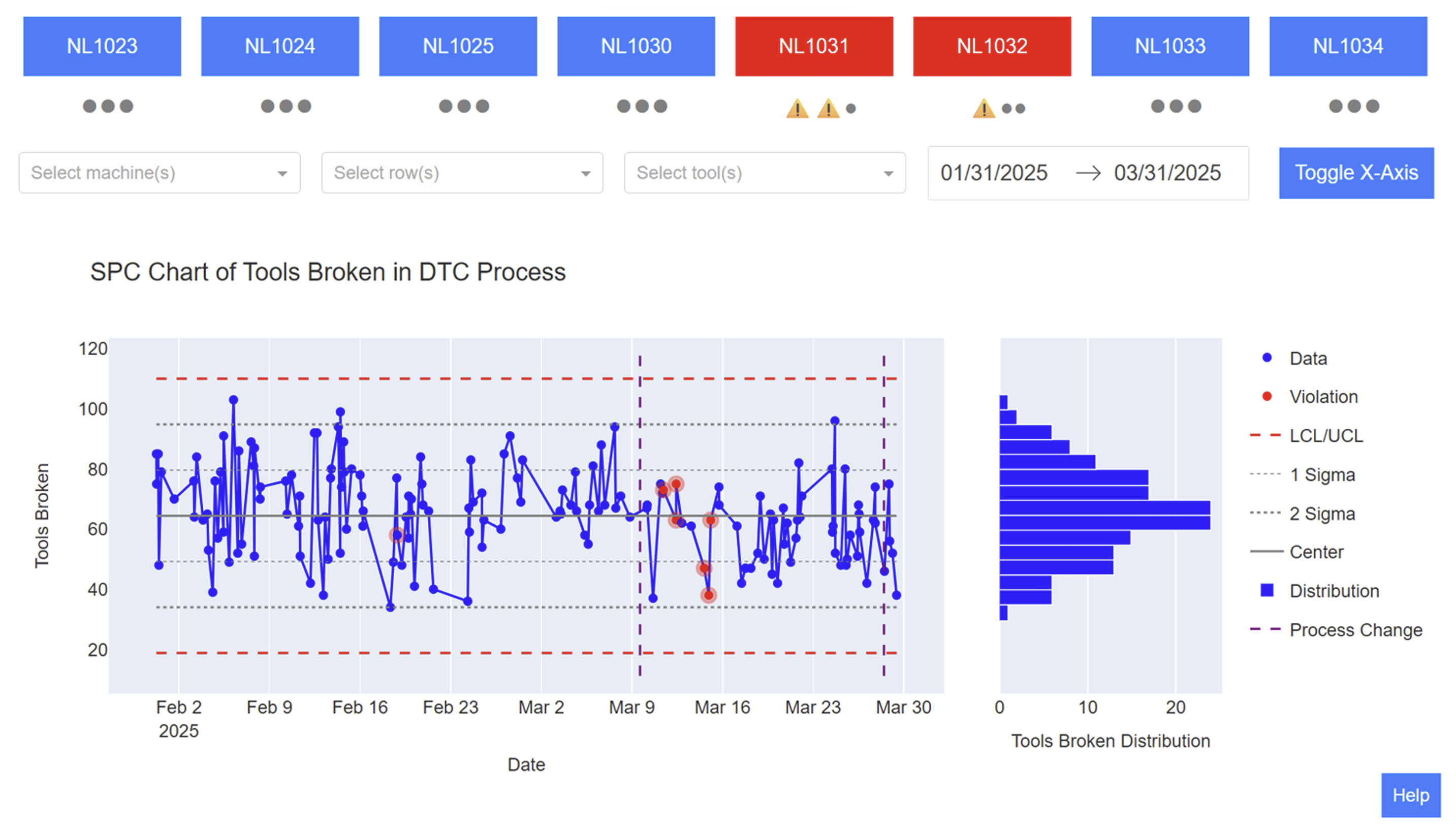
The thesis combines statistical analysis and process experimentation to identify key factors contributing to microtool failure. Using ANOVA and Tukey HSD testing, the study isolates the effects of machining parameters and geometric features, then develops optimized toolpaths that reduce cutting stress and improve consistency across operations.
Outcome & Results
The optimized machining strategy reduced tool breakage by approximately 33%, which translates to ~$2.5M saved annually in consumable costs. The findings provide a foundation for future integration of sensor-based monitoring and predictive maintenance systems in turbine blade manufacturing.
Project Report
The full report, “Characterizing and Mitigating Small-Diameter Tool Wear in Nickel-Based Superalloy Machining,” details the methodology, statistical models, and implementation strategies developed to enhance process robustness and inform future manufacturing research.
Project Details
Timeline
Summer 2025
Role
Mechanical Engineer
Client/Organization
GE Vernova
Resources
Project Gallery